Ask A Better Meal to plan the week and it does. Every dinner, every night, decided before Monday even starts. What “the week” has always quietly meant, though, is dinner. Breakfast ideas were never part of the deal. Breakfast keeps happening on its own schedule, seven mornings in a row, with no plan attached to it at all.
That’s not an oversight in the app. Breakfast has never worked the way dinner does. Nobody negotiates over cereal the way they negotiate over the dinner menu, and nobody’s circling a Tuesday on the calendar because of what’s in the cereal bowl. But “nobody’s fighting about it” and “it’s handled” are two different claims, and most households are living somewhere in the gap between them, most mornings, without ever quite noticing the gap is there.
A Better Meal doesn’t plan breakfast, and this piece isn’t going to pretend otherwise. What follows is a set of breakfast ideas for the one part of the day the plan doesn’t reach yet, sorted by the kind of morning you’re actually having instead of by how good the plate would look in a photo. A photogenic breakfast that gets made once and never again isn’t an idea worth having. A plain one that gets made every week without a fight is.
Why dinner gets a plan and breakfast doesn’t
Dinner earns a plan because dinner has stakes. Several people, several opinions, an evening slot that has to bend around practice or a meeting that ran long. Get it wrong and someone’s hungry and annoyed, or nothing’s thawed, or it’s six o’clock with no answer in sight.
Breakfast rarely carries that weight. It’s short. It’s often eaten solo, or close to it, standing at the counter rather than sitting at a table. Government time-use data backs up the shape of the gap: only about a third of people report eating breakfast in the traditional 7 to 9:59 a.m. window, a much smaller, less concentrated share than lunch or dinner get. Less of the day, less of the household’s attention. A meal that gets less attention rarely gets a plan.
Low stakes isn’t the same as no cost. Skip a plan entirely and something still fills the gap: whatever’s fastest, closest, and already open. Cereal dust in the bottom of a bowl nobody rinsed, a granola bar wrapper left on the counter, and the seven-year-old asking if there’s more before the backpack’s even zipped. Repeat that enough mornings in a row and it stops being a choice. It’s just the rut the week runs on.
Households that already have dinner handled feel this gap more, not less, because the contrast is sharper. Dinner arrives as a settled question. Breakfast arrives as a small negotiation, most mornings, with whoever’s awake enough to have an opinion. Solving one doesn’t automatically solve the other, and pretending it would is the fastest way to end up disappointed by a meal plan that was never designed to touch mornings in the first place.
The breakfast that works isn’t the impressive one
The best dinner on paper and the dinner a household actually eats are sometimes two different meals — a gap A Better Meal has written about before, because the plan that survives contact with a real week is the one the family will actually eat, not the one that photographs well. Breakfast runs the same split, just quieter and lower stakes.
A carton of blueberries, bought hopeful on a Saturday for a smoothie idea that never made it past Tuesday, going soft in the crisper by the following weekend. A blender lid that always seems to go missing exactly when it’s needed. Small failures, but they add up to the same lesson dinner already taught: a breakfast idea only earns its place if it survives an actual morning, half-awake person and all.
Creativity has very little to do with what makes a breakfast worth repeating. What matters: whether it gets eaten without an argument, whether it takes about as long as the morning actually has, and whether making it again next week feels like nothing instead of a decision. Cereal wins a lot of mornings for exactly this reason. So does the same eggs-and-toast combination, week after week, because nobody in the house is bored of it and everybody already knows how to make it without thinking.
There’s a second, quieter reason repetition wins: a repeated breakfast stops requiring a decision at all. Somebody doesn’t stand at the pantry weighing four boxes of cereal against each other every single morning. The choice got made once, weeks ago, and now it’s just a hand reaching for the same shelf. That’s the whole appeal, and it has nothing to do with the breakfast itself being special.
Breakfast ideas for the mornings you actually have
A generic fifty-item breakfast ideas list hands you fifty decisions instead of one, which is the opposite of what a rushed morning needs. Grouped by the kind of morning you’re having, the same list turns into: read four, take the first one that fits, go.
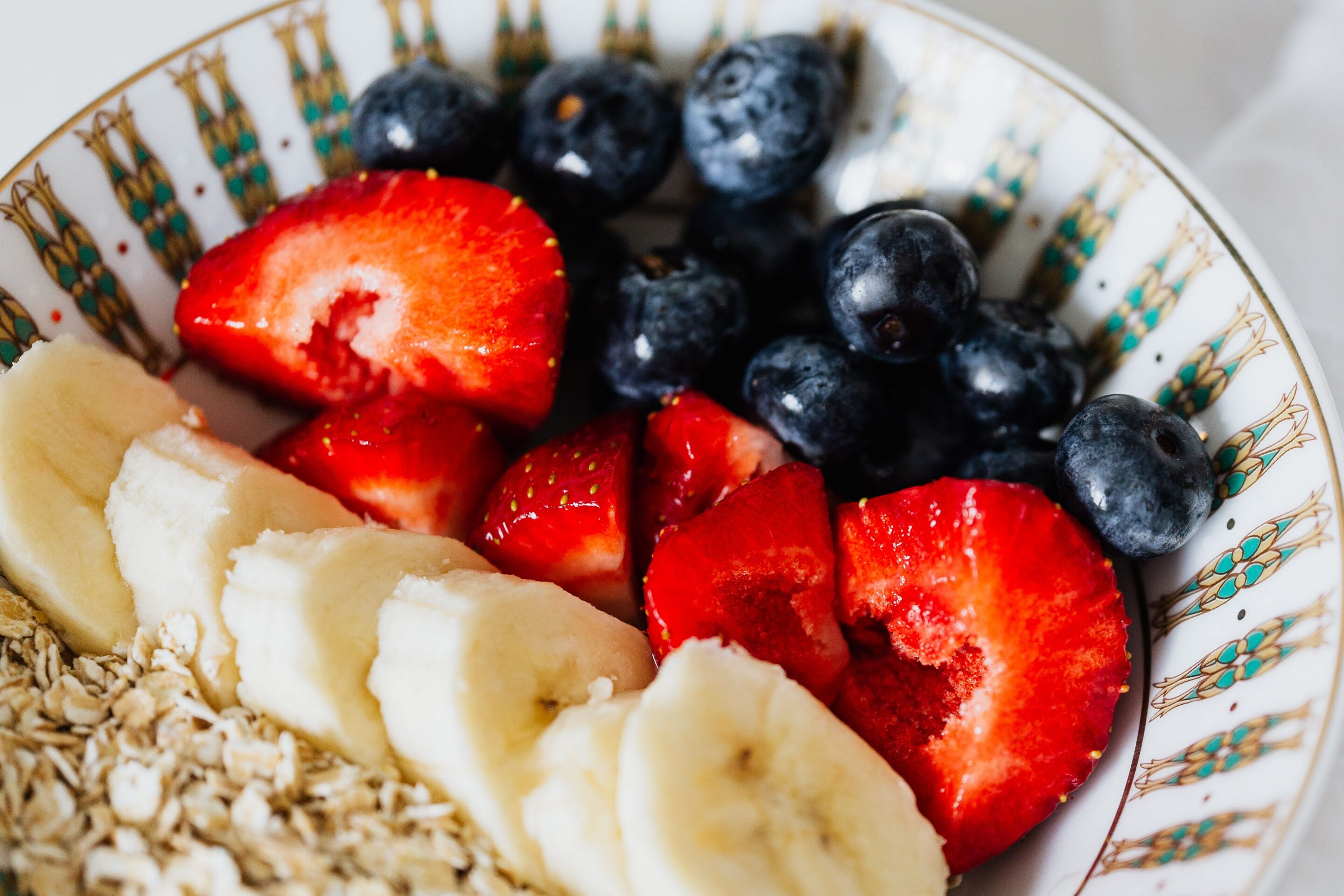
Mornings with zero time. Whatever gets eaten in the car or standing at the counter. A banana with peanut butter. Greek yogurt with whatever fruit didn’t get eaten last week. A hard-boiled egg made in a batch on Sunday, so it’s grabbed, not cooked. Overnight oats in a jar, made the night before, eaten cold.
Mornings the kids can handle themselves. Cereal, still the reigning champion. A pre-portioned bag of trail mix. Toast with a spread within reach. A frozen smoothie pack, blended in under a minute, for the mornings someone actually wants to press a button and call it done.
Mornings you had ten extra minutes on Sunday. A breakfast casserole made once, portioned, reheated all week. Muffins baked in a double batch and frozen. A big batch of granola that turns four rushed mornings into a bowl-and-milk job, nothing more.
Mornings everyone’s actually at the table. Eggs, whichever style draws the fewest complaints, with toast on the side. Pancakes made in a stack tall enough that the extras become tomorrow’s toaster reheat. French toast from bread that’s a day past its best, so nothing goes to waste either.
Mornings when one kid won’t eat what everyone else is eating. This one deserves its own category, because it’s the mornings where a “good” idea and a “workable” idea split apart. A build-your-own waffle bar, toppings in small bowls, so the picky eater builds the plain version while everyone else piles theirs high. Yogurt parfaits assembled the same way, same base, different toppings, one dish to clean. Finding a breakfast every eater loves equally isn’t really the trick. Finding one flexible enough that nobody has to cook two separate versions of the same meal before 7 a.m. — that’s the actual bar.
None of this is unusual, on purpose. A breakfast idea that needs a special trip or a new skill doesn’t survive a second Tuesday. And buying for it works the same way the EPA’s own household guidance describes: plan a small set of breakfasts before the trip, buy only what those need, and the blueberries stop going soft in the crisper.
The list runs out by Thursday too
Here’s the honest part. A list of breakfast ideas is still a list of options, and options are exactly what a tired brain doesn’t want more of. By next Thursday, this list is one more tab, competing with the fridge, the pantry, and whatever’s fastest. It answers this morning. It doesn’t end the asking, and pretending it does would undercut the entire argument this piece is making about dinner.
That’s the same shape as the dinner problem, just smaller. A list of ideas is raw material for a plan, not the plan itself. Somebody still has to turn “here are some options” into “this is what we’re doing,” every morning it’s needed again, which is a smaller version of the exact job a dinner plan exists to take off a household’s hands. Reading this list once won’t fix a Tuesday six weeks from now. Picking three or four of these and actually repeating them will, because repetition is what turns an idea into a habit nobody has to think about.
What’s already decided, and what’s still yours
A Better Meal doesn’t build a breakfast plan, and it’s worth saying plainly rather than letting the idea list above blur the line: the app’s plan is built for dinner, the meal with enough riding on it to be worth deciding in advance. Breakfast sits outside that today. No app screen tracks which of the ideas above a household actually likes, and nothing here pretends otherwise.
What onboarding does do: you tell it your goals, dietary preferences, allergies, foods to avoid, and what looks good, and from that A Better Meal builds a dinner plan instead of asking anyone to start from a blank page. Most of the week’s food decisions get made right there, once, instead of getting remade every night at six. That’s most of a household’s food-planner-app workload, gone before Monday’s even started.
Breakfast is what’s left over. The bus is at 7:40, the lunch still needs its zipper closed, and breakfast is whatever’s already in reach — which is exactly why the mornings that go smoothest are the ones where “whatever’s in reach” was decided on a Sunday, not invented at 7:35. The same rule that makes a dinner plan worth having applies here in miniature: the answer that survives is the one the household will actually reach for again, not the one that impressed anybody on the first try.
Breakfast ideas, answered
What are some quick breakfast ideas for busy weekday mornings? Anything that needs zero cooking that morning. Yogurt with fruit, a hard-boiled egg made ahead, overnight oats made the night before, a smoothie pack pulled straight from the freezer.
What are healthy breakfast ideas that don’t take much daily effort? Batch-cooked options do most of the work ahead of time. A breakfast casserole made once and reheated, a big batch of granola, muffins frozen in a bag. The effort happens once, on a slower morning, not every day.
What are good breakfast ideas for kids specifically? Whatever they can serve themselves without help. Cereal, toast with a spread they can reach, a smoothie pack, pre-portioned trail mix. Self-serve beats impressive on a school morning, almost every time.
Are make-ahead breakfast ideas worth the extra step on a weekend? Usually, if the payoff is several weekday mornings with nothing left to decide. A batch made once on a slower day turns four or five rushed mornings into a reheat instead of a decision.
How many breakfast ideas does a household actually need? Fewer than this list might suggest. Three or four repeatable ones, one from each of the groups above, cover most weeks. The useful move is picking a small set worth repeating, not rotating through everything here. Do that, and breakfast stops being a fresh decision every morning.
Does A Better Meal plan breakfast the way it plans dinner? No. A Better Meal plans dinner. This list exists because breakfast is the meal the plan doesn’t reach yet, and it deserved a straight answer instead of a workaround dressed up as one.
The dinner question is the one that used to follow a household around all afternoon, and for the households already using the plan, it’s quiet now. Breakfast was never going to disappear the same way, and it doesn’t have to. It just needs to be decided by someone other than a half-awake person standing in front of an open fridge, which is what a Sunday batch and a short list of go-to mornings are actually for. Pick the ones this household will reach for twice, not the ones that would look best in a photo once, and repeat them without guilt. That’s the whole trick, and it’s the same one the dinner plan already runs on.
The plan you keep meaning to make for dinner? It’s already in the app. Get your family’s meal plan ?