The eight-year-old who ate this same pasta three weeks running pushes the bowl an inch away tonight and says he’s not hungry. Twenty minutes ago he was, loud about it, opening the oven twice to check. Something happened between the oven and the table, and nobody standing in that kitchen could tell you what it was. Tomorrow the pasta might be back in favor. Nobody’s placing bets.
This is usually the moment “family dinner ideas” gets typed into a search bar. Not because the ideas ran out. Because whatever showed up on the plate tonight didn’t survive contact with an actual family, and searching feels like the only lever still within reach.
Why more dinner ideas don’t fix the nightly decision
A search for family dinner ideas turns up thousands of them. Sheet pans, slow cookers, fifteen-minute stir-fries, whole boards of recipes promising to please everyone at once. None of it is short on ideas. What’s actually in short supply is a decision that survives contact with the specific people at this specific table, tonight, in whatever mood they walked in with.
Most of what ranks for that search is written for a household that doesn’t argue about texture, doesn’t have a kid mid-phase about sauce, doesn’t have one person who’s suddenly off dairy and another who’ll eat plain noodles until the end of time. The recipe itself is rarely the failure point. It’s what happens when the recipe meets the actual roster of people it has to satisfy.
More recipes solve a supply problem. Most nights, the real problem is a filtering one: which of the thousand ideas this exact household will eat without a renegotiation at the table. That’s a narrower problem than “more options,” and it’s the one that keeps coming back Tuesday after Tuesday, regardless of how many new boards get saved.
A single eater makes the filtering problem small. Add a second person and it roughly doubles. Add a third with a texture preference and a fourth who eats on a different schedule, and the filtering problem stops being solvable by scrolling further down the search results. Somewhere around person three, more ideas actively make it worse, because now there’s more to weigh against more preferences, on a clock that hasn’t gotten any longer.
Sitting down together does something on its own, according to The Family Dinner Project, regardless of what’s on the plate. That’s a real benefit. It’s also a separate one from actually solving what goes on the plate, which is the part this piece is for.
A Better Meal starts from the filtering problem instead of the supply one. The plan already knows this household, so dinner shows up decided instead of found. The list below is for tonight. What comes after it is for every night after that.
Family dinner ideas, grouped by what’s actually happening tonight
A shorter list sorted by the real obstacle beats a longer list sorted by nothing. Meal planning for picky eaters doesn’t mean two dinners covers the two-dinner spiral in full; this is the short version for the specific situation in front of you right now. Find it below and go.
When one kid has decided against a food they liked last month
- Build-your-own tacos or quesadillas, with a cheese-only version set aside before anyone adds more
- Pasta with the sauce served alongside instead of tossed in
- A baked potato bar where the toppings do the negotiating
Picky eating like this is developmentally normal and usually temporary, per Nemours KidsHealth, which doesn’t make it less exhausting to plan around at 5 PM on a school night.
When the ages at the table don’t agree on spice or texture
- Sheet-pan chicken thighs, plain on one half and seasoned on the other
- Rice bowls with every topping kept in its own small bowl until the last second
- Mild turkey chili, hot sauce set out on its own
- Soft tacos with the fillings kept apart until they hit the plate
When there’s no energy left for more than one pan
- One-pot pasta built around whatever vegetable needs using up
- A big skillet of fried rice made from last night’s leftover protein
- Grilled cheese and tomato soup, which has never once started an argument
When dinner has to stretch further than the recipe expects
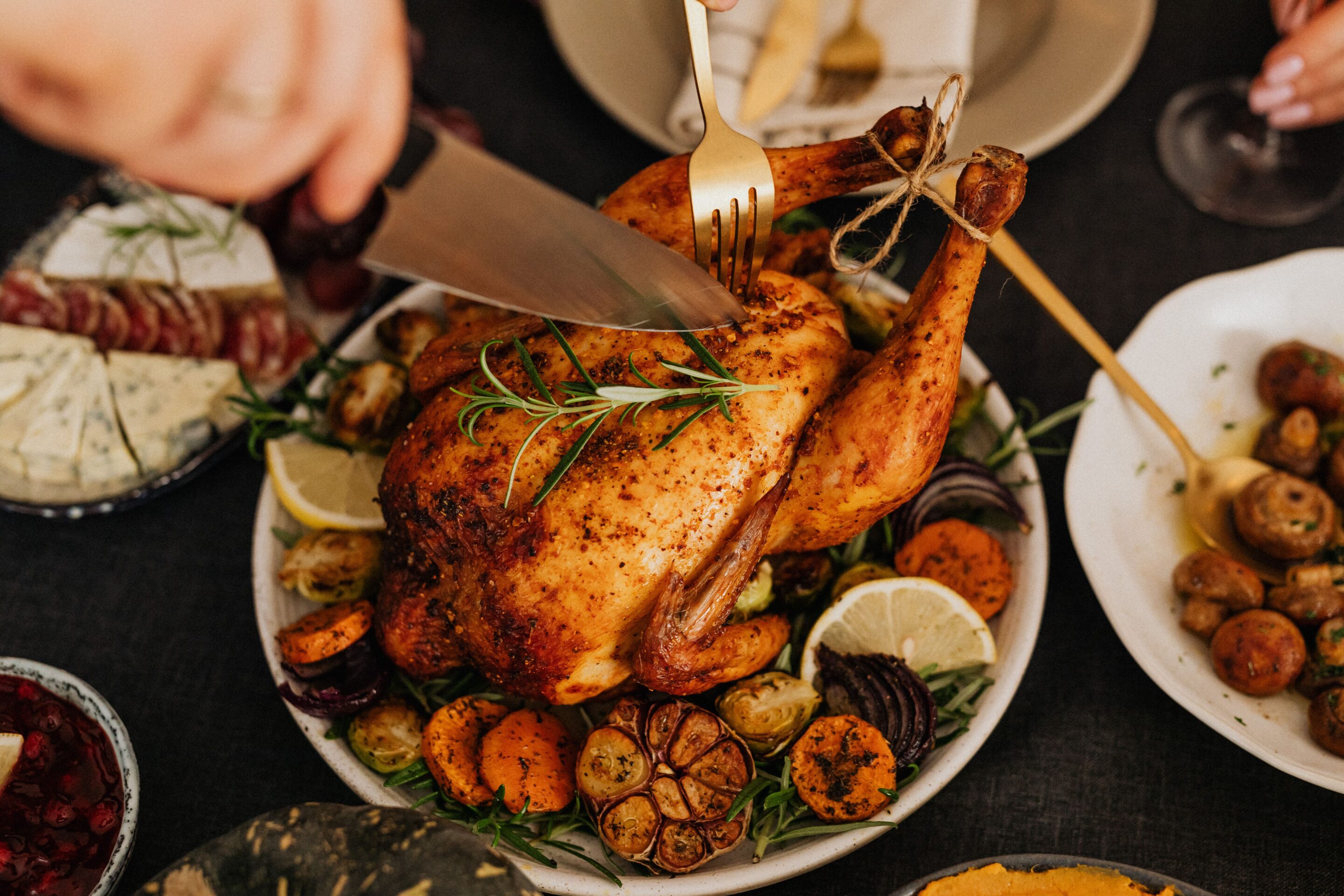
- A whole roast chicken, carved at the table, with rice or bread to fill the gaps
- A frittata, which absorbs almost anything left in the fridge
- A double pan of bean and cheese enchiladas
- Soup with bread, stretched with whatever’s left in the vegetable drawer
When someone gets to pick and it could go anywhere
- Pizza night, homemade or otherwise, with each person building their own section
- A build-your-own-bowl night: rice or noodles, two or three proteins, whatever’s left in the vegetable drawer
- Whatever the birthday kid wants, no negotiation required
When everyone just wants the same handful of dinners again
- The plain red-sauce pasta that gets eaten in total silence, the highest compliment a kitchen gives
- Breakfast for dinner. Eggs, toast, whatever fruit is around.
- The one taco night nobody has ever turned down
What a list can’t solve
A list like this one fixes tonight. It doesn’t fix Thursday, or the Tuesday after that, because the job underneath it resets every day whether or not this page stays bookmarked. Anyone with forty recipes saved already knows the shape of it. The folder gets fuller. The problem each evening stays exactly the same size.
Nine of the forty recipes saved to a phone have actually been cooked. The other thirty-one are aspirational, saved on some optimistic Sunday afternoon by a person who had more energy than the actual Tuesday ever turns out to allow. That gap between saved and cooked is the whole story in miniature. Ideas were never scarce. Following through on one, at the right moment, with the right group’s buy-in, is the scarce part.
The freezer already has three bags of chicken thighs bought “for later,” and later never quite arrives before something faster wins. That’s what a family dinner ideas list can’t touch. The choosing is the whole problem. The recipe was never it.
What actually removes the nightly ask
Decision fatigue is rarely about the food itself. It’s the same open-ended question landing every night, right when there’s the least left to answer it with. Cooking the meal is rarely the hard part. Deciding what it should be, for this exact group, before anyone’s hungry enough to complain about it, is the part that wears a household down.
The task itself isn’t large. It never actually ends, though, and that’s the part that wears through: breakfast gets decided, lunch gets decided, and by the time dinner rolls around, the well that day’s decisions were drawing from is already close to dry. A search engine can hand back a thousand dinners and it still won’t refill that well. It just adds one more decision, dressed up as a shortcut.
The backpacks hit the floor and both kids want a snack before anyone’s settled on dinner, which turns the twenty minutes before cooking into its own separate negotiation. A plan doesn’t remove that chaos. It removes the one decision sitting underneath it, so the rest of the evening isn’t also a meeting about what to eat.
Why family-approved meals beat perfect meal plans makes the related case: the best plan is the one your family will actually eat, not the one that photographs best on Sunday morning. A family dinner ideas search is chasing the same target from the wrong direction, one dinner at a time instead of one decision for the whole week.
What a family meal plan built for real households actually looks like
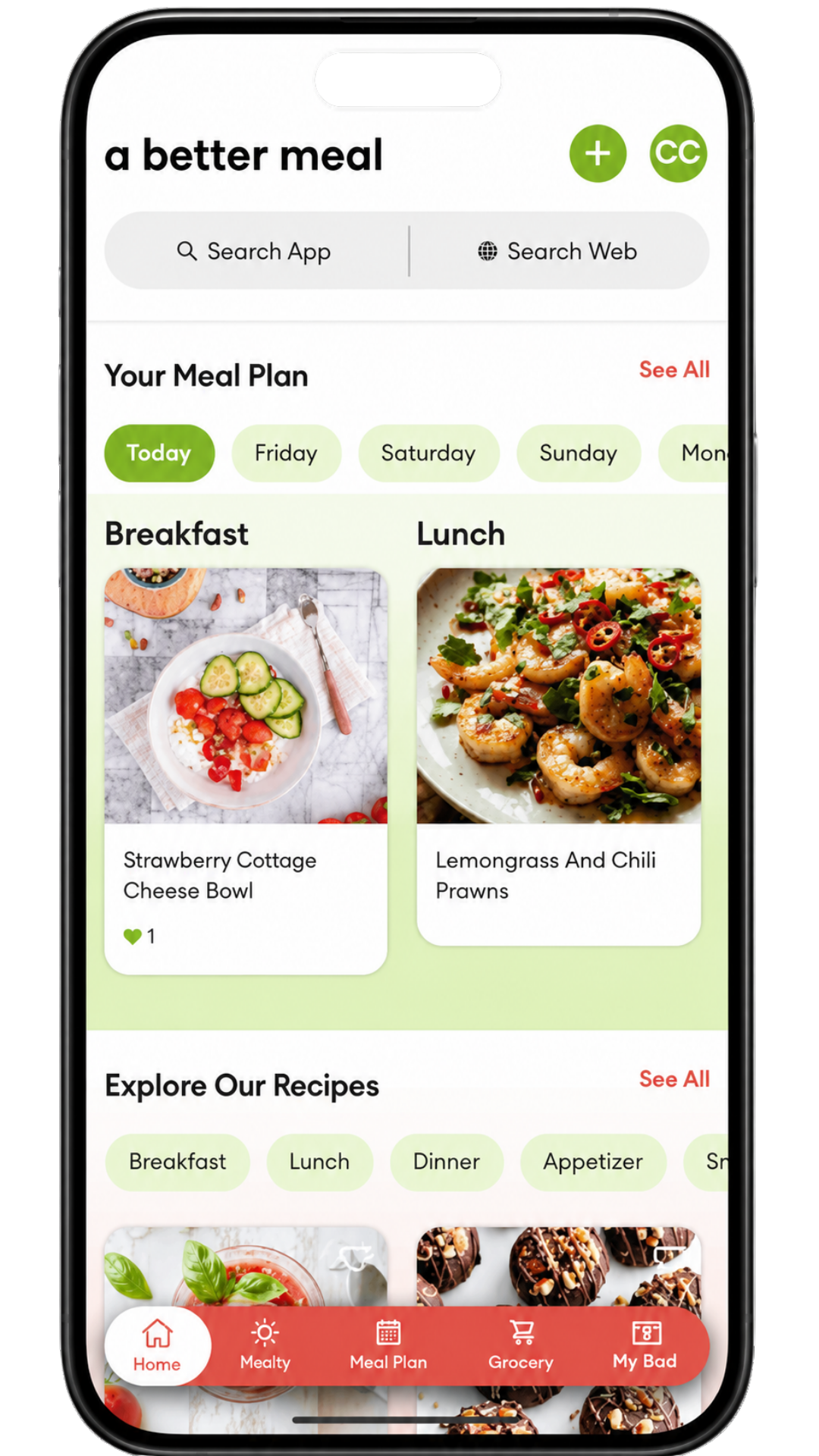
You tell it your goals, dietary preferences, allergies, foods to avoid, and what looks good. From that, A Better Meal builds a dinner plan instead of asking you to start from a blank page. It can also draw from your preferences, saved recipes, and past interactions, so the plan is not just the same hand-built rotation every week.
The recipes you already trust, the five or six dinners that never get pushback, come into the plan too, so they’re not competing with a stranger’s idea of an exciting Tuesday. That matters more for a household with a picky eater or a texture negotiation than almost any other feature, because the dinners that already work are the ones most worth protecting. Quick weeknight dinners when the plan does the thinking covers what an ordinary Tuesday looks like this way, no picky eater or five-person lineup required.
And on the weeks that are already too much, you can reach for plan actions like reducing time, simplifying instructions, or picking meals with fewer ingredients, instead of white-knuckling through a plan that assumed you had more in you than you actually do. The grocery list falls out of the plan as well, sorted by aisle, so the shopping trip is one more thing already handled instead of one more thing to figure out on the way home.
At 4:50, when the version of you with any patience left checked out an hour ago, that’s the version of the week this is built for. The mechanics live on A Better Meal’s features page, but the shape of it is simple: the deciding happens once, ahead of the week, not fresh every night at the counter.
A plan you can count on when there’s nothing left to give
Trust matters more here than novelty. A grocery list you don’t have to double-check. A dinner that shows up already decided, not a fresh gamble every night. Meals your family will actually eat, chosen back when there was still room to think it through.
None of that depends on the day going well. The plan doesn’t get more tired on a Wednesday than it was on Sunday, so it can carry the part of the week that would otherwise land on one person’s tired feet. Search “family dinner ideas” tonight if tonight needs it. Most nights, the better fix is not needing to.
A hard day doesn’t undo the plan. The meeting that ran long, the practice that got moved up an hour, the kid who’s suddenly decided against the one thing that was supposed to be easy tonight: none of it costs you the deciding, because the deciding already happened, back when there was room to think it through. What’s left is just the cooking, and the cooking was never the part that wore anyone down.
The plan’s a starting point, not a contract. Swap out what doesn’t fit tonight, keep what does, and the deciding still stayed off your plate before anyone asked for it back. That’s the difference between a list you maintain yourself and a plan built to hold up on the nights you have nothing left to give it.
The list above still works when tonight just needs an answer. But most nights don’t need a new idea. They need the deciding done before the backpacks hit the floor.
Less mental load. More room for everything else. That’s what the plan is for.
Get your family’s meal plan ?